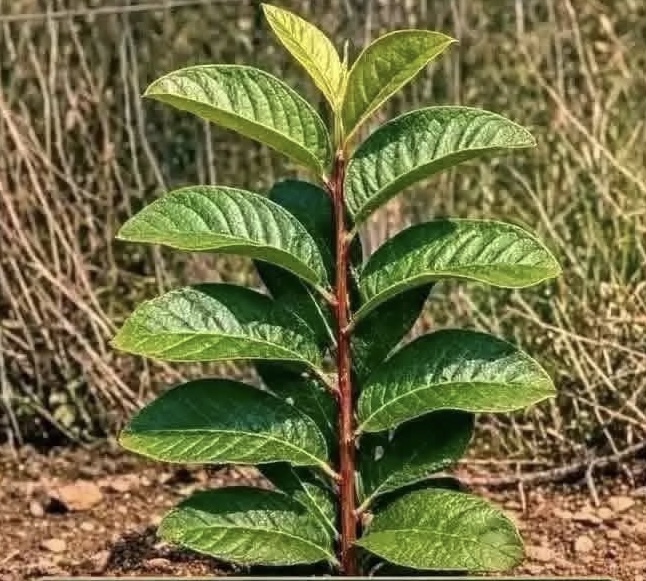
Guava Leaf Tea Benefits: Uses, Nutrition, and What Science Says
Introduction
Guava leaf tea has become increasingly popular among people looking for natural ways to support their overall health. Made from the leaves of the guava tree (Psidium guajava), this herbal tea has been used in traditional medicine for centuries. Many social media posts claim that guava leaf tea can cure diabetes, lower cholesterol, improve liver and kidney function, reduce blood pressure, and relieve joint pain.
While guava leaf tea contains beneficial plant compounds, scientific evidence does not support all of these claims. Drinking this tea may provide several health benefits as part of a balanced lifestyle, but it should not replace medical treatment or prescribed medications.
What Is Guava Leaf Tea?
Guava leaf tea is an herbal infusion prepared by steeping fresh or dried guava leaves in hot water. Unlike guava fruit, the leaves are rich in natural antioxidants, flavonoids, tannins, and polyphenols that may help protect the body from oxidative stress.
The tea has a mild earthy flavor with slightly bitter notes and is naturally caffeine-free, making it suitable for most people at any time of the day.
Nutritional Compounds in Guava Leaves
Although the tea contains very few calories, guava leaves provide several beneficial plant compounds, including:
- Quercetin
- Catechins
- Gallic acid
- Ellagic acid
- Flavonoids
- Polyphenols
- Natural antioxidants
These compounds are responsible for many of the potential health benefits associated with guava leaf tea.
Potential Health Benefits of Guava Leaf Tea
May Help Support Healthy Blood Sugar Levels
One of the most researched benefits of guava leaf tea is its possible role in supporting healthy blood glucose levels. Some studies suggest that compounds found in guava leaves may slow carbohydrate digestion and reduce the absorption of sugar after meals.
While promising, guava leaf tea should never replace diabetes medications or professional medical advice.
May Help Improve Cholesterol Levels
Research indicates that regular consumption of guava leaf tea may contribute to healthier cholesterol levels by:
- Lowering LDL (bad) cholesterol
- Supporting HDL (good) cholesterol
- Reducing triglycerides in some individuals
When combined with a heart-healthy diet and regular exercise, guava leaf tea may offer additional cardiovascular support.
Rich in Powerful Antioxidants
Free radicals can damage cells and contribute to aging and chronic diseases. Guava leaves are naturally rich in antioxidants that help neutralize these unstable molecules.
Regular consumption may support:
- Healthy aging
- Cellular protection
- Reduced oxidative stress
- Overall wellness
May Support Heart Health
Healthy blood vessels are essential for maintaining proper circulation. Some research suggests that the antioxidants in guava leaves may help improve blood vessel function and support normal blood pressure levels.
However, people taking blood pressure medications should consult their healthcare provider before using herbal remedies regularly.
May Aid Digestive Health
Traditional medicine has long used guava leaves to relieve digestive discomfort.
Potential digestive benefits include:
- Supporting healthy digestion
- Reducing occasional bloating
- Helping manage mild diarrhea
- Promoting gut comfort
These effects are believed to be related to the antimicrobial and anti-inflammatory properties of guava leaf compounds.
May Have Anti-Inflammatory Properties
Chronic inflammation is associated with many health conditions. Laboratory studies suggest that guava leaf extracts contain compounds that may help reduce inflammatory responses in the body.
This may contribute to improved overall wellness, although more human studies are needed.
Can Guava Leaf Tea Help the Liver and Kidneys?
Many online posts claim that guava leaf tea “cleanses” or “repairs” the liver and kidneys.
Current scientific evidence does not confirm these claims. While antioxidants may help protect cells from oxidative damage, there is no strong clinical evidence that guava leaf tea treats liver disease or kidney disease.
Anyone with liver or kidney conditions should follow medical advice instead of relying on herbal remedies.
Does Guava Leaf Tea Relieve Joint Pain?
Some natural compounds found in guava leaves possess anti-inflammatory properties that could help reduce inflammation.
Although this suggests potential benefits for joint comfort, there is currently insufficient evidence to recommend guava leaf tea as a treatment for arthritis or chronic joint pain.
How to Make Guava Leaf Tea
Preparing guava leaf tea is simple.
Ingredients
- 5–8 fresh guava leaves or 1 tablespoon dried guava leaves
- 2 cups of water
Instructions
- Wash the leaves thoroughly.
- Bring the water to a boil.
- Add the guava leaves.
- Simmer for 10–15 minutes.
- Strain the tea.
- Serve warm.
You may add a slice of lemon or a small amount of honey for flavor if desired.
Are There Any Side Effects?
Guava leaf tea is generally considered safe when consumed in moderation.
Possible precautions include:
- Digestive discomfort in sensitive individuals
- Possible interactions with diabetes medications
- Possible interactions with blood pressure medications
- Limited safety information during pregnancy and breastfeeding
Consult your healthcare provider before using guava leaf tea regularly if you have a chronic medical condition or take prescription medications.
Conclusion
Guava leaf tea is a nutritious herbal beverage rich in antioxidants and beneficial plant compounds. Research suggests it may help support healthy blood sugar control, cholesterol levels, digestion, and overall wellness. However, many popular claims about curing liver disease, kidney disease, hypertension, or joint pain are not supported by strong scientific evidence.
As part of a healthy lifestyle, guava leaf tea can be a refreshing and beneficial drink, but it should be viewed as a supportive beverage rather than a cure for medical conditions.