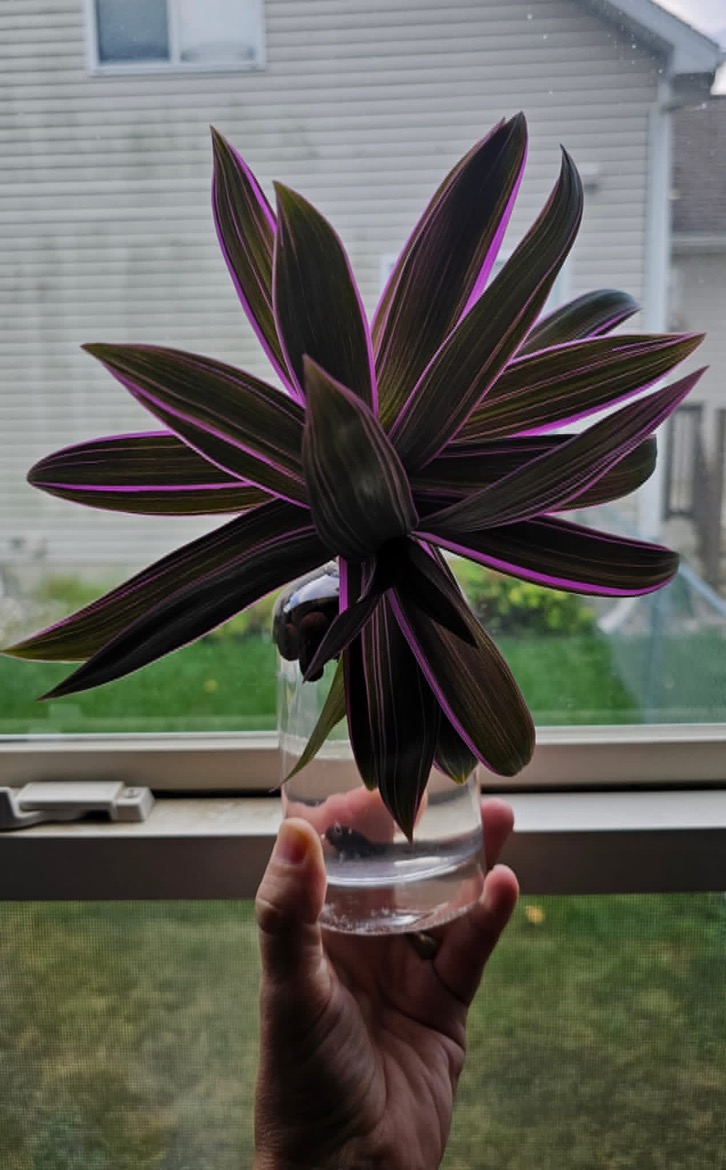
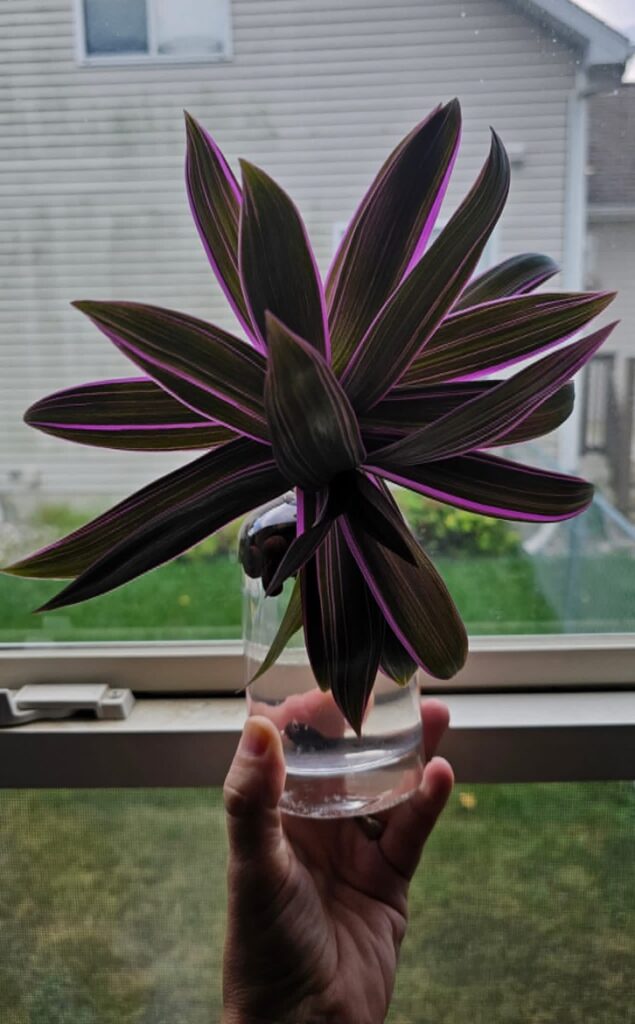
A Happy Accident: Propagating My Moses Plant
By a Plant Enthusiast with a Keen Eye and a Steady Hand
I’ve been planning on propagating my Moses plant (also known as Tradescantia spathacea or “Moses-in-the-Cradle”) for a minute now. It’s been on my mental to-do list every time I pass by and admire its deep green and purple leaves. You know the feeling — you see those long, healthy stems and think, “Yeah, I should definitely make more of you.”
Well, this morning during my usual plant care ritual — a little watering, a little leaf trimming, maybe a quiet chat with the greener members of my household — nature gave me a nudge. One of the larger stems snapped clean off. It wasn’t a dramatic fall, just a gentle “plop” that made me look down and laugh. I’m guessing the weight of the plant finally pulled it loose. But hey, I took that as a sign: this Moses plant is ready to be multiplied.
Instead of seeing it as an accident, I saw an opportunity. Propagation doesn’t always happen on a schedule — sometimes your plant makes the first move. And I’m all for listening when nature speaks.
Now, when it comes to propagating heavier clippings like this one, I’ve learned a few tricks. My go-to method? LECA balls. These lightweight clay balls are perfect for stabilizing chunkier cuttings in water jars. They cradle the stem, keeping it upright and steady, while still allowing light and air to circulate. Plus, they just look neat — like a little science experiment on your windowsill.
I’ll let this new clipping root in water first (with LECA for support), then move it to soil once it’s established. The whole process feels like a mix of science and art — and it’s always rewarding to see new roots forming.
So here we go. One spontaneous stem break later, and I’m officially in propagation mode.