By Catherine
This year, I decided to try something new in the garden—growing corn. I only planted a few stalks, just enough to experiment and see how it would go. The plants looked fantastic: tall, green, with healthy leaves and what appeared to be good-sized ears. Everything seemed promising.
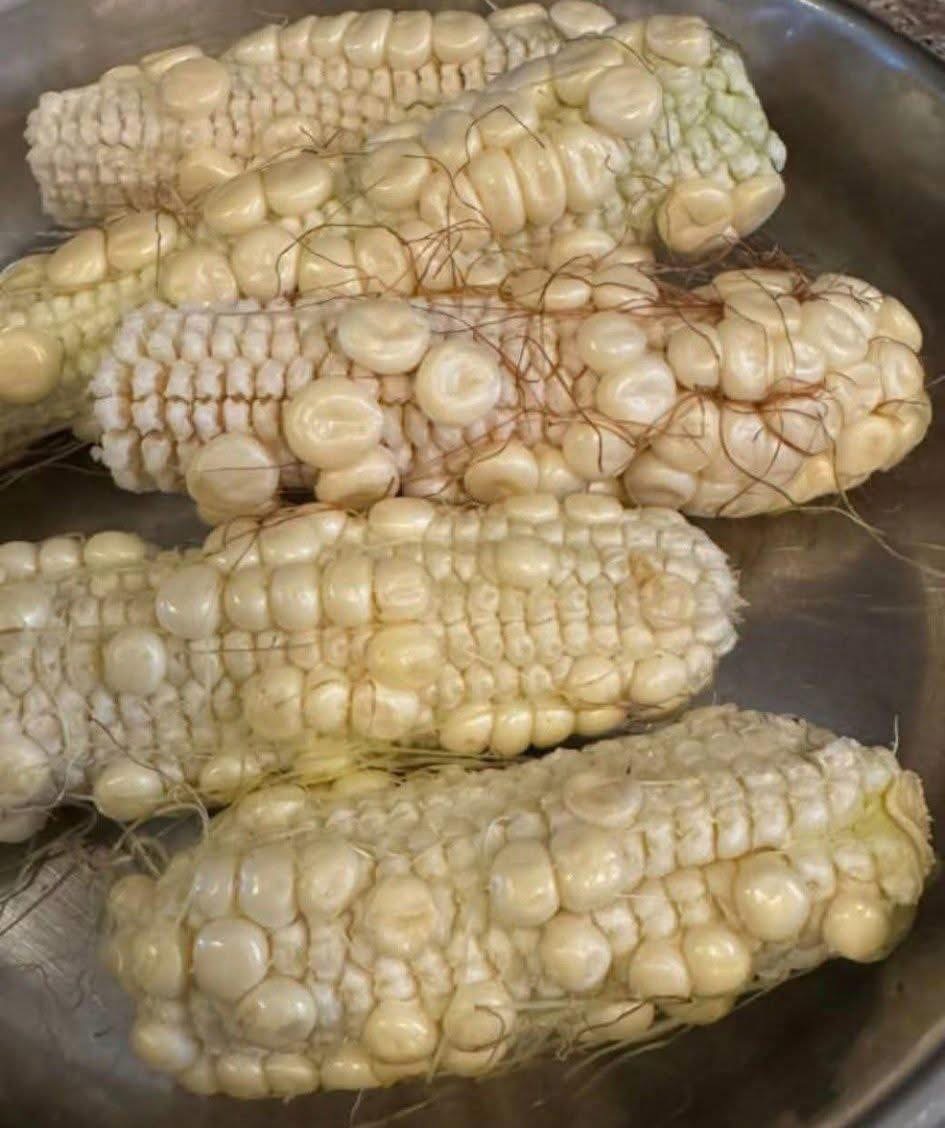
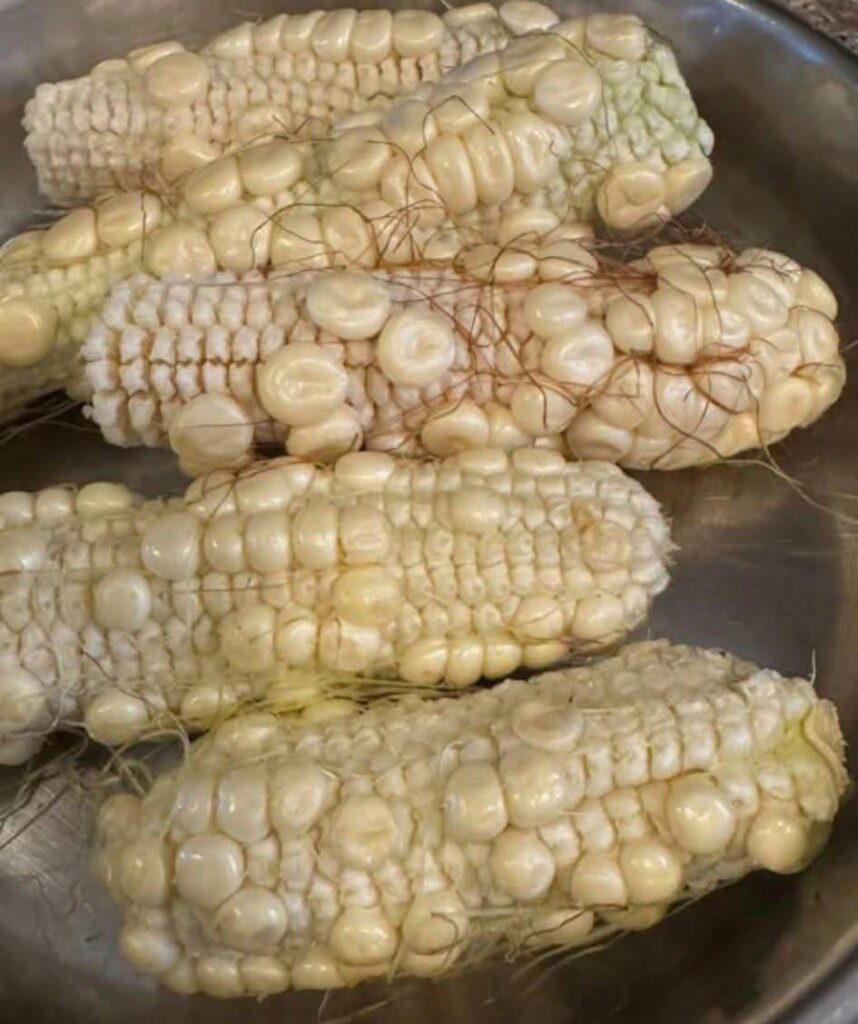
But when harvest day came, I was surprised and, honestly, a little disappointed. The ears I picked were underdeveloped. Some had missing kernels, others looked small or shriveled. It definitely wasn’t the full, picture-perfect corn I was expecting.
The good news? Despite how they looked, the corn was still sweet and delicious. So what went wrong?
Common Reasons for Poor Corn Development
After doing some digging and talking to more experienced gardeners, I discovered a few key reasons why corn might not develop properly—even when the plants appear healthy.
1. Corn Needs to Be Planted in Groups
Corn is wind-pollinated, which means it depends on pollen being transferred from the tassels at the top of the plant to the silks on the ears. When you only plant a few corn stalks, they may be too far apart for effective pollination.
What to do next time: Plant corn in blocks (such as a 4×4 grid) instead of a single row. This increases the chances of successful pollination.
2. Poor Pollination Affects Kernel Development
Each silk on a corn cob connects to a potential kernel. If a silk doesn’t get pollinated, a kernel won’t grow. That’s likely why I saw gaps in the ears or uneven development.
Helpful tip: If you’re growing a small number of plants, consider hand-pollinating by gently shaking the tassels to release pollen onto the silks below.
3. Weather and Environmental Stress
Even if your plants look healthy, weather can play a big role in pollination and development. High heat or drought during the silking stage can disrupt pollination and reduce kernel formation.
What to watch for: Make sure your corn receives regular, deep watering—especially during hot or dry spells when tassels and silks are forming.
4. Nutrient Deficiencies
Corn is a heavy feeder. If the soil doesn’t have enough nitrogen and other nutrients, you might end up with tall, leafy plants but poorly developed ears.
Soil support tip: Add compost before planting, and consider feeding your corn with a balanced fertilizer during the growing season.
Will I Grow Corn Again?
Yes, definitely. Even though the harvest wasn’t perfect, it was a valuable learning experience. And the corn still tasted wonderful. That homegrown sweetness reminded me why so many gardeners love growing it.
Next year, I’ll plant a larger block, pay closer attention to watering and pollination, and give my plants the nutrients they need to produce strong, healthy ears.
Final Thoughts
If you’re new to growing corn, don’t be discouraged if your first attempt doesn’t go exactly as planned. Gardening is all about learning as you grow. Each season brings new lessons, and small setbacks are part of the process.
If you’ve had success with corn, I’d love to hear what worked for you. Feel free to share your tips and experience in the comments.
Let’s keep learning—one season at a time.