My grandpa s wrist is suddenly red hot and extremely swollen Why is this happening He is in severe pain and we need help
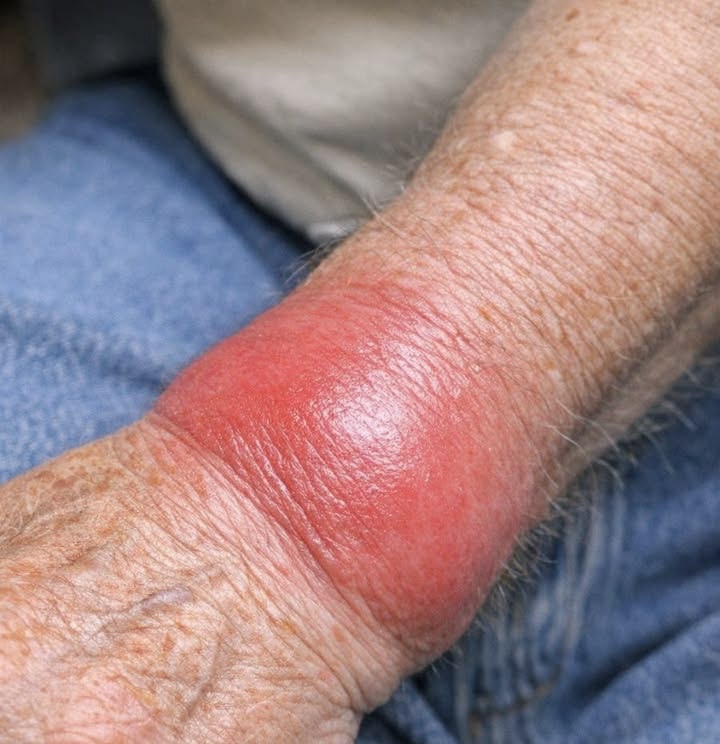
When faced with a sudden and alarming change in a loved one’s health, especially one as painful and visible as a swollen, red wrist, it’s natural to feel a wave of concern. Your grandpa’s condition sounds distressing, and understanding the potential causes and necessary actions is crucial. In this article, we will explore the possible reasons behind these symptoms, focusing on gout as a primary suspect.
While the classic image of gout involves the big toe, it can indeed affect other joints, including the wrist. However, it’s important to consider other potential causes of these symptoms, such as infections or injuries, which may require different treatments. Let’s delve into why your grandpa’s wrist might be experiencing this painful episode and what steps you can take to alleviate his discomfort.
- Why A Sudden Red, Hot, Swollen Wrist Is A Medical Emergency
A sudden change in the appearance and feel of a joint, such as your grandpa’s wrist turning red, hot, and swollen, should never be ignored. These symptoms indicate inflammation and can be a sign of several serious conditions, including gout, infections like septic arthritis, or even a fracture.
Immediate medical attention is crucial because if the cause is an infection, it could rapidly worsen, potentially leading to joint damage or systemic infection (sepsis). Similarly, untreated gout can cause significant pain and long-term damage to joints. Therefore, recognizing the urgency of the situation and seeking prompt medical care is vital. - Could This Be Gout Attacking The Wrist Instead Of The Big Toe?
Gout is commonly associated with intense pain in the big toe, but it can indeed affect other joints, such as the wrists, knees, and ankles. Gout occurs due to the accumulation of uric acid crystals in the joints, leading to inflammation.
While the big toe is the most frequently affected joint, gout can strike any joint where uric acid levels have become elevated. This can happen if the kidneys are unable to efficiently filter out uric acid or if there’s an overproduction in the body. Thus, even if your grandpa hasn’t experienced gout in his toes, his wrist could still be a target. - Classic Gout Symptoms: How To Tell If Uric Acid Crystals Are The Culprit
Gout is characterized by sudden and severe attacks of pain, redness, and swelling. The affected joint may feel extremely tender and hot to the touch, and even the weight of a bedsheet can be intolerable.
If your grandpa’s wrist pain aligns with these symptoms—particularly if it began suddenly and is accompanied by a fever—gout could be the cause. Blood tests showing elevated uric acid levels or imaging studies revealing uric acid crystals would further support this diagnosis. - Why Gout Can Suddenly Strike Older Adults—Even Without A Big Diet Change
While diet is a known factor that can influence gout, other changes in the body that occur with age can also increase the risk of a gout attack. As people age, their kidneys may become less efficient at filtering uric acid, leading to its accumulation.
Additionally, older adults are often prescribed various medications that can affect uric acid levels, such as diuretics for high blood pressure, which can raise the risk of gout. Thus, even if your grandpa hasn’t changed his diet, he could still be at risk of a gout flare. - Medications, Kidney Problems, And Other Hidden Triggers Of Gout Flares
Certain medications, such as diuretics, aspirin, and immunosuppressive drugs, can increase uric acid levels in the body, potentially triggering a gout attack. Kidney disease or dysfunction, common in older adults, can also impair the body’s ability to eliminate uric acid.
Conditions like dehydration, recent surgery, or trauma can precipitate a gout flare by causing fluctuations in uric acid concentration. Identifying these hidden triggers is essential for managing and preventing future episodes. - How Doctors Diagnose Gout In The Wrist: Tests, Scans, And Joint Fluid
To diagnose gout in the wrist, doctors may perform a joint aspiration, where fluid is drawn from the swollen joint for analysis. This fluid is examined under a microscope for the presence of uric acid crystals, which are indicative of gout.
Blood tests to measure uric acid levels and imaging studies, such as X-rays or ultrasounds, can also help confirm the diagnosis and rule out other conditions like fractures or infections. - Dangerous Look-Alikes: Septic Arthritis, Fractures, And Other Red-Flag Causes
Septic arthritis, a joint infection, can mimic the symptoms of gout but requires different treatment, as it can rapidly cause joint destruction and systemic illness. A fracture or injury can also cause swelling and pain similar to gout.
It’s crucial to differentiate these conditions as soon as possible, as the treatment approaches vary significantly. For example, septic arthritis may require antibiotics and surgical intervention, while a fracture may need immobilization. - What To Do Right Now: At-Home Steps While You Seek Urgent Care
While waiting for medical evaluation, you can help alleviate some of your grandpa’s discomfort by keeping the wrist elevated and applying a cold compress to reduce swelling. Over-the-counter anti-inflammatory medications, such as ibuprofen, may also provide some relief, but it’s important to confirm with a healthcare provider.
Avoiding alcohol and foods high in purines, like red meat and seafood, may help prevent worsening of symptoms if gout is the cause. However, these measures are temporary, and professional medical assessment is essential. - Treatment Options: From Anti-Inflammatories To Long-Term Uric Acid Control
Treatment for gout involves both immediate relief of symptoms and long-term management to prevent future attacks. Nonsteroidal anti-inflammatory drugs (NSAIDs), corticosteroids, or colchicine can be used to reduce acute inflammation and pain.
For chronic management, medications such as allopurinol or febuxostat may be prescribed to lower uric acid levels in the blood. Lifestyle adjustments, including dietary changes and weight management, are also crucial components of long-term gout control. - How To Prevent Future Gout Attacks In Your Grandpa’s Joints
Preventing future gout attacks involves a combination of medication adherence, lifestyle modifications, and regular medical check-ups. Encouraging your grandpa to maintain a healthy weight, stay hydrated, and limit alcohol and high-purine foods can significantly reduce the risk of attacks.
Regular monitoring of uric acid levels and adjusting medications as needed can help keep the condition under control and minimize the frequency and severity of future flares. - When To Call 911 Versus Waiting For A Regular Doctor’s Appointment
If your grandpa experiences severe pain, high fever, chills, or feels extremely unwell, it may be necessary to call 911 or seek emergency medical care, as these could be signs of a joint infection or another serious condition.
For less severe symptoms, scheduling a prompt appointment with his primary care physician or a rheumatologist for evaluation and treatment is appropriate. Timely intervention can prevent complications and provide much-needed relief.