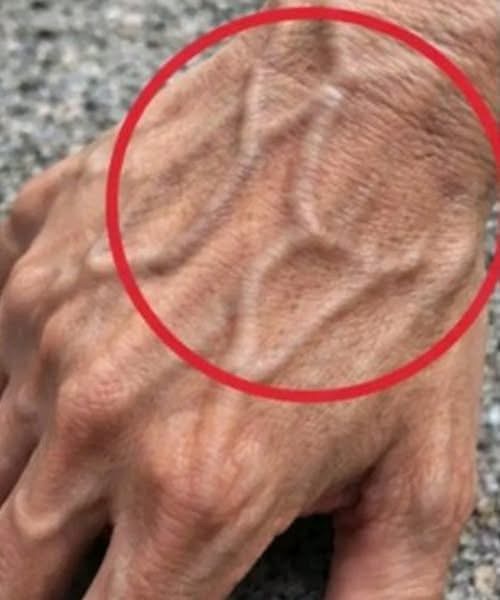
The human hand is a complex structure composed of bones, muscles, tendons, nerves, and blood vessels. Among these, veins play a crucial role in returning deoxygenated blood back to the heart. In some individuals, veins on the back of the hand appear more prominent, creating visible patterns beneath the skin. This phenomenon is common and can be influenced by a variety of factors, ranging from natural anatomy to lifestyle and environmental conditions.
Why Veins Become Prominent
Several reasons explain why veins may appear more visible in the hands:
Low Body Fat: Veins are more noticeable in individuals with lower levels of subcutaneous fat. With less tissue covering them, veins naturally stand out against the skin.
Age: As people age, the skin loses elasticity and becomes thinner. This makes veins more apparent, especially on the hands, which are frequently exposed to environmental stressors.
Exercise: Physical activity increases blood flow and vascular pressure, temporarily enlarging veins. Athletes often experience this effect, sometimes referred to as “vascularity.”
Temperature: Heat causes veins to dilate, making them more visible. Cold temperatures, conversely, constrict veins and reduce their prominence.
Genetics: Some individuals naturally have more visible veins due to inherited traits, including vein size and skin thickness.
Medical and Physiological Context
In most cases, prominent veins in the hands are harmless and simply reflect normal variations in anatomy. However, there are instances where visible veins may be associated with underlying conditions:
Varicose Veins: Though more common in the legs, varicose veins can occasionally affect the hands. They appear twisted or enlarged and may cause discomfort.
Circulatory Issues: Persistent swelling, pain, or discoloration around veins could indicate circulatory problems that require medical evaluation.
Dehydration: Reduced fluid levels in the body can make veins appear more pronounced, as the skin loses plumpness and elasticity.
It is important to distinguish between normal vein visibility and symptoms that suggest a medical concern.
Cultural and Aesthetic Perspectives
Visible veins in the hands have also been interpreted differently across cultures and contexts. In fitness communities, vascularity is often seen as a sign of low body fat and muscular definition. In other settings, prominent veins may be associated with aging, manual labor, or simply natural variation. The perception of visible veins is therefore subjective, shaped by cultural ideals and personal viewpoints.
Practical Considerations
For individuals who are self-conscious about visible veins, several lifestyle factors can influence their appearance:
Staying hydrated helps maintain skin elasticity.
Protecting hands from excessive sun exposure reduces thinning of the skin.
Balanced nutrition supports healthy circulation and skin integrity.
Gentle hand exercises can improve circulation without overly enlarging veins.
In medical or cosmetic contexts, procedures such as sclerotherapy or laser treatments may be used to reduce the appearance of veins, though these are typically reserved for cases involving discomfort or aesthetic preference.
Conclusion
Prominent veins in the hands are a natural and common occurrence, influenced by anatomy, age, activity, and environmental factors. While they are usually harmless, awareness of potential underlying conditions is important. Ultimately, visible veins reflect the body’s intricate vascular system, serving as a reminder of the constant work performed by blood vessels to sustain life. Whether viewed as a sign of vitality, age, or individuality, they remain a fascinating aspect of human physiology.