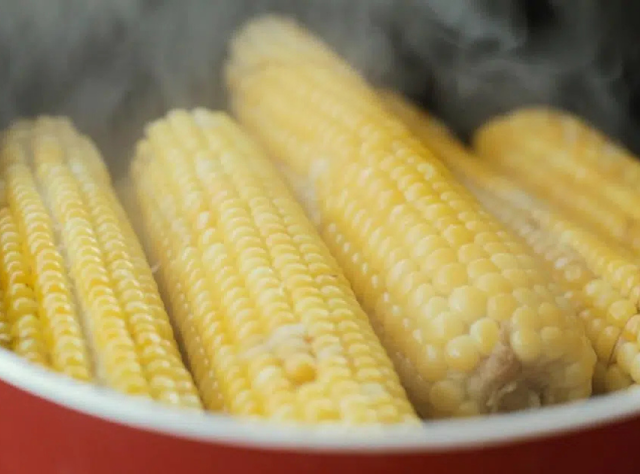
The Perfect Ear: A Gentle Guide to Boiling Corn on the Cob
There are few tastes that whisper summer quite like corn on the cob—sun-warmed kernels bursting with sweetness, steam rising in the evening air, butter melting into every golden row. Yet so many of us have pulled an ear from the pot only to find it tough, waterlogged, or disappointingly bland.
The secret isn’t complicated. It lives in three quiet moments:
Choosing with care
Timing with precision
Topping with joy
Let’s honor this humble treasure the way it deserves.
Selecting Corn with Intention
Freshness is everything. Corn begins converting sugar to starch the moment it’s picked—so what you bring home matters deeply.
Look for:
Husks that are vibrant green, tightly wrapped, and slightly damp to the touch
Silky tassels at the tip—golden-brown, not dry or blackened
Plump kernels revealed by gently peeling back a corner of the husk—arranged in neat rows, milky when punctured
Avoid:
Husks that feel papery,
dry, or brown at the edges
Ears with sparse or shriveled kernels
Any sign of worm damage near the tip
Pro tip: Buy corn the day you plan to cook it. If storing briefly, keep unhusked ears in the refrigerator—never at room temperature.
The Golden Rule of Timing
Forget the old myth of “boil for 20 minutes.” Overcooking is corn’s greatest enemy—it turns sweet kernels starchy and tough.
Your timing guide:
Peak-season, farm-fresh corn: 4–5 minutes
Market-fresh (1–2 days old): 6–7 minutes
Larger ears or slightly older corn: 8 minutes max
Why so brief? Corn is already mature when harvested. Boiling isn’t about cooking through—it’s about warming through while preserving its natural sugars and tender crunch.
The Ritual of Preparation
Shuck gently
Peel away husks and silk. Rinse under cool water to remove stray threads. Optional: Leave the very last layer of husk intact and fold it back like a handle for elegant serving.
Salt the water
Fill a large pot with enough water to submerge ears completely (about 1 quart per ear). Add 1 tbsp salt per quart—this seasons the corn from within as it steams in the water.
Boil with purpose
Bring water to a rolling boil before adding corn. Gently lower ears into the pot—don’t overcrowd (cook in batches if needed). The water should return to a gentle simmer immediately.
Set your timer
Start timing the moment corn enters the water. No peeking. No stirring. Just trust.
Remove with care
At the timer’s chime, lift ears with tongs. Shake gently to release excess water. Serve immediately—corn waits for no one.
Important: Never add corn to cold water and bring it to a boil—that’s a one-way ticket to mushy kernels.
Toppings That Honor the Corn
The best toppings enhance—not overwhelm—the corn’s natural sweetness.
Classic
Bright & Zesty
Savory Twist
Butter + flaky salt – Let butter melt slowly over hot corn; finish with Maldon salt
Lime + chili powder – Squeeze fresh lime; dust with Tajín or smoked paprika
Herb butter – Blend softened butter with minced chives, parsley, and a pinch of garlic powder
Brown butter – Cook butter until nutty and golden; drizzle warmly
Everything bagel seasoning – A modern crunch that surprises and delights
Grated Parmesan + cracked pepper – Umami depth that lingers beautifully
Purist’s choice: A light brush of olive oil and a sprinkle of sea salt lets the corn speak for itself.
Corn on the cob isn’t meant to be fussy. It’s meant to be lived—juice dripping down your wrists, kernels catching in your teeth, laughter ringing as the sun sets.
So shuck with joy.
Boil with patience.
Eat with abandon.
And remember:
Perfection isn’t in the technique alone—it’s in the moment you hand a warm, golden ear to someone you love, and watch their eyes close as they take the first bite.
That’s not just dinner.
That’s summer, held in your hands.